
In the first image, you see what some folks call a pill bug, but I have called them roly polies since childhood. What most folks don’t know about these little guys is that they are not insects. Instead, they are distant cousins to insects because they have an exoskelton and jointed appendages. They are an ancient lineage having been around since the Carboniferous period of the Paleozoic era which began some 300 million years ago. Pill bugs and their relatives during their long history began as ocean dwellers and some of them like our little friend here transitioned to living on land. Armadillidium vulgare in the family Armadillidiidae are also new comers to North America having been brought from the Mediterranean where their kind originated. You can read more about them at Animal Diversity.org.
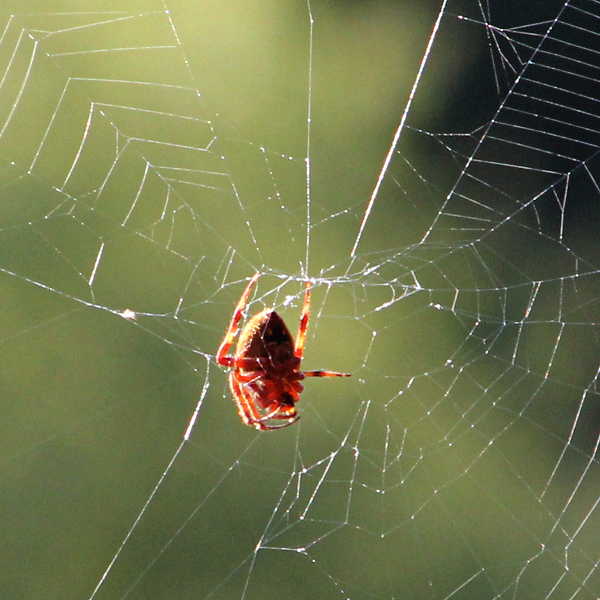
In the second and third images, you see a member of the genus Araneus. The Arachnids or spiders and their kin, have been around a very long time. The oldest fossil Arachnid existed some 420 million years ago. The spiders appeared in the fossil record some 165 million years ago. (Wikipedia)

Spiders began as land dwellers and lived like tarantulas and wolf spiders of today making their living as ambush or pursuit predators. The web builders came along much later. Somewhere in this individual’s life, it lost a leg to a predator or something trapped in its web that could bite.

The last image is of a White-tailed Dragonfly, Plathemis lydia. Dragonflies have been flying around earth’s freshwater environments for 300 million years. This dragonfly is a member of the Libellulidae, or the Skimmer family. Libellulidae is the largest dragonfly family numbering 1000 species worldwide. 109 species in North America.
All of the above are Arthropods because they wear their skeleton on the outside, and possess jointed appendages and other body parts. They are living fossils of ancient animal lineages that first left the sea to live on land. They are each beautiful in their own way and beneficial to their to their ecosystems.
Leave a Reply